


What is VPN in 2026? Everything Indian Beginners Must Know

Ever wondered when you use free Wi-Fi at your favorite cafe or connect to a Jiohotspot on the train, just how safe your data actually is?The honest answer is: not much, unless you are using a VPN. Millions of Indianns use VPN every single day, yet most of them cannot fully explain what it actually does.
This article covers everything – what VPN means, how it technically works, the real difference between VPN and DNS, and why in 2026, every Indiann internet user should understand this tool before going online.
Indian is among the top VPN-adopting nations in the world, with roughly 43% of internet users relying on VPN services. That is not a small number – it means nearly half of all Indianns online have used a VPN at some point.
Yet the topic remains poorly explained in most Hindi and Indiann English content. That gap ends here.
What is VPN? Simple Meaning for Indiann Users
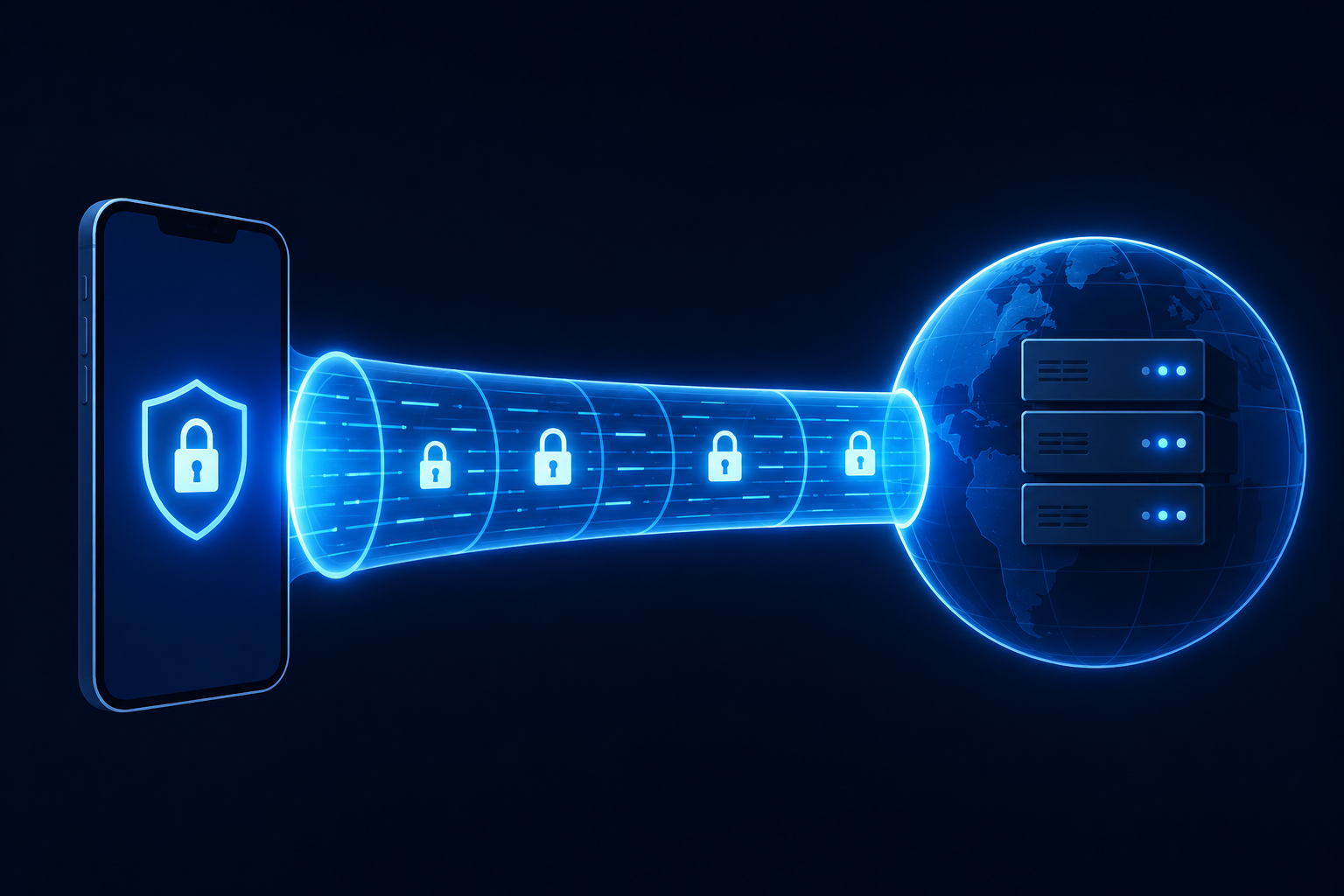
VPN stands for Virtual Private Network. In plain terms, it is a secure digital tunnel between your device and the internet. When you connect to a VPN, your data travels through this tunnel in encrypted form – meaning no one outside can read it, track it, or steal it.
A VPN establishes a digital connection between your computer and a remote server owned by a VPN provider, creating a point-to-point tunnel that encrypts your personal data, masks your IP address, and lets you sidestep website blocks and firewalls on the internet.
Think of it this way – you are in a busy railway station in Delhi, using Jio public Wi-Fi to check your bank app. Without a VPN, anyone else on that same network can potentially intercept your data. With a VPN switched on, your connection is locked inside an encrypted tunnel. Nobody outside can see what you are doing.
The word “virtual” means no physical cable is involved. “Private” means your browsing remains invisible to outsiders. “Networked” means your device and the VPN server are working together as one secure system. Three simple ideas – one powerful tool.
What is Meant by Technical VPN? How It Actually Works
Understanding the technical side of VPN does not require an IT degree. Here is how it works in simple steps.
When you switch on a VPN, your device sends a connection request to the VPN provider’s remote server. The server authenticates the user and creates an encrypted tunnel for their data to run through. The data that funnels through this tunnel gets scrambled into code and rendered illegible to anyone who does not have access to the encryption key.
Once your data reaches the VPN server, the server decrypts it, assigns you a new IP address, and then connects you to the website or service you wanted to reach – all in seconds.
The encryption standard used by most trusted VPNs today is AES-256. This is the same kind of encryption used by banks and military systems. It is considered virtually unbreakable with current technology.
The method by which this encryption happens depends on the VPN protocol in use. Different protocols offer different speeds, security levels, and use cases. Here is how the major ones compare:
| Protocol | Encryption | Best For | Speed |
| OpenVPN | AES-256 | Overall best use | Medium |
| WireGuard | AES-256 | Modern devices, fast connections | Fast |
| IKEv2/IPSec | AES-256 | Mobile browsing | Fast |
| L2TP/IPSec | AES-256 | Basic setup | Medium |
| PPTP | 128-bit | Obsolete – avoid entirely | Fast but unsafe |
WireGuard has now been fully released and incorporated into the Linux and Windows kernels, making it ready for mainstream use. It runs a lean codebase of around 4,000 lines, compared to OpenVPN’s much larger and more complex structure. For Indiann users on Android and iOS, WireGuard-based VPNs deliver noticeably faster speeds without sacrificing security.
OpenVPN, meanwhile, remains the industry standard for those who need to bypass heavily restricted networks.
Why Do Indian Use VPN? Five Real Reasons
VPNs are not just for tech enthusiasts or corporate IT teams. In Indian, everyday users turn to VPNs for very specific, practical reasons.
Security on Public Wi-Fi
Every airport, railway station, shopping mall, and college canteen in Indian offers free Wi-Fi. Convenient – but dangerous. On an unsecured public network, anyone with basic hacking knowledge can intercept unencrypted data. A VPN ensures your connection is protected even on the most vulnerable public hotspots.
Accessing Geo-Restricted Content
Ever tried to watch a show on Netflix and got the message “not available in your region”? Certain OTT content, YouTube videos, and international streaming platforms restrict access based on your country. A VPN masks your IP and makes it appear as if you are browsing from another country – unlocking that content instantly.
Bypassing ISP Tracking
Jio, Airtel, BSNL – your internet service provider can see every website you visit. ISPs log and track your browsing history through your device’s unique IP address. This information could potentially be sold to third-party advertisers, given to the government, or left vulnerable in the face of a security compromise. A VPN routes your traffic through its own server, hiding your activity from your ISP entirely.
Remote Work and Office Network Access
Post-COVID Indian saw an enormous shift toward remote work culture. Employees working from home needed secure access to company servers and internal resources.
With a VPN, remote workers can access company resources over a private connection from anywhere, so long as they are able to get online. Corporate VPN Indiange in Indian grew significantly after 2020 and has remained a standard practice in IT, finance, and media sectors.
Privacy from Surveillance
This is where things get more serious for Indiann users – and where a key update matters. If you are looking for the best VPN for users, understanding Indian’s current legal framework is essential before choosing a provider.
Indian’s Computer Emergency Response Team (CERT-In) introduced a directive requiring all VPN, VPS, and cloud providers to store sensitive user data for a minimum of five years, enforced starting June 27, 2022. In response, ExpressVPN, NordVPN, and Surfshark announced they would no longer operate physical servers within Indiann borders in an effort to protect user privacy. These providers now offer virtual Indiann IP addresses through servers physically located outside Indian.
What is the Difference Between VPN and DNS?


This is one of the most searched questions by Indiann users – and the confusion is completely understandable. Both tools appear to do similar things on the surface. They are fundamentally different.
DNS stands for Domain Name System. Think of it as the internet’s phone directory. When you type “google.com” into your browser, DNS translates that name into a machine-readable IP address so your device knows where to go. DNS does this translation – nothing more. It does not encrypt your connection, and it does not hide who you are.
A VPN, by contrast, encrypts your entire internet connection and replaces your real IP address with the server’s IP. It hides your identity and your location from every party – your ISP, advertisers, and websites.
Smart DNS is a middle-ground tool. It only reroutes traffic related to geo-blocked content, giving you access to region-restricted streaming services – but with no encryption or privacy protection whatsoever.
Here is how all three compare:
| Feature | VPN | DNS | Smart DNS |
| Encrypts Data | ✅ Yes | ❌ No | ❌ No |
| Hides IP Address | ✅ Yes | ❌ No | Partial |
| Bypasses Geo-Blocks | ✅ Yes | ✅ Yes | ✅ Yes |
| Slows Internet | Slightly | No | No |
| Privacy Protection | ✅ Full | ❌ None | ❌ None |
| Best For | Full security | Faster browsing | Streaming only |
If you only want to watch Netflix US content and do not care about privacy, Smart DNS or a changed DNS setting works. But if you are handling sensitive data, using public Wi-Fi, or simply want genuine online privacy – only a VPN gives you complete protection.
Is VPN Legal in Indian? What Every Indiann Must Know
Yes – using a VPN is completely legal in Indian for personal and professional purposes. However, the regulatory environment around VPNs has changed significantly in recent years, and every Indiann user should understand what that means.
In 2022, Indian’s Computer Emergency Response Team (CERT-In) issued new cybersecurity rules requiring VPN providers with physical servers in Indian to keep user logs for at least five years, even after someone cancels their service. Many international VPN providers refused to comply with this directive because it directly contradicted their no-log privacy policies.
More recently, in May 2025, authorities in Doda district in the Jammu and Kashmir region implemented a two-month VPN ban under Section 163 of the BNSS law, with reports of users being detained for violations – marking the first localized enforcement action against VPN Indiange in Indian.
Using a VPN for hacking, accessing illegal content, or criminal activity remains illegal regardless of the tool used. But for everyday privacy, streaming, remote work, or bypassing geo-restrictions, VPN use is entirely within the law.
How to Choose the Best VPN in Indian
With so many options available, choosing the right VPN can feel overwhelming. Here are five things every Indiann user should check before subscribing:
No-log policy – The provider must not store records of your browsing activity. This is especially important given Indian’s CERT-In directive.
Kill switch – If your VPN connection drops suddenly, a kill switch instantly cuts your internet access, preventing your real IP from being exposed.
Indian server availability – Most major VPNs now offer virtual Indiann servers located outside Indian, which protects your privacy while still giving you an Indiann IP when needed.
Protocol support – Look for providers supporting WireGuard or OpenVPN. Avoid any service still running PPTP.
Price in INR – Many providers offer significant savings on yearly plans compared to monthly billing.
| VPN | No-Log Policy | Indian Server | Price (Approx INR/month) | Best For |
| NordVPN | ✅ | Virtual | ₹350–400 | All-round use |
| ProtonVPN | ✅ | Virtual | Free / ₹800+ | Privacy-focused |
| Surfshark | ✅ | Virtual | ₹170–200 | Budget users |
| ExpressVPN | ✅ | Virtual | ₹550–600 | Speed |
| Windscribe | ✅ | Limited | Free / ₹250+ | Free tier users |
Common Myths About VPN – Busted for Indian Users
There is a lot of misinformation floating around about what VPNs actually do. Here are the most common myths, corrected:
“VPN makes you completely anonymous” – Not entirely true. A VPN hides your IP address and encrypts your connection, but cookies, browser fingerprinting, and account logins can still identify you on platforms you are logged into.
“Free VPN is safe to use” – Many free VPN apps generate revenue by logging your browsing data and selling it to advertisers. A free VPN that offers no paid subscription model is almost certainly monetising your data in some way.
“VPN is only for hackers or IT professionals” – Anyone who uses a smartphone or laptop in a public place, streams content, works remotely, or simply values their privacy can benefit directly from a VPN.
“VPN always slows down your internet” – WireGuard has now been fully integrated into modern operating systems and delivers significantly faster speeds than legacy protocols. On a good connection with a nearby server, the speed difference is barely noticeable.
Final Verdict – Do You Really Need a VPN in Indian?
If you use public Wi-Fi at any point – at a cafe, railway station, airport, or college – the answer is yes. If you work remotely or handle any sensitive data online, the answer is yes. If you want to access international streaming content or simply keep your browsing history away from ISPs and advertisers, the answer is still yes.
Indian now sees VPN Indiange at 43–45% among internet users, with forecasts expecting over 20% annual growth in the market in the coming years. The shift is already happening – more Indianns are choosing to protect their digital lives, not wait until something goes wrong.
For absolute beginners, ProtonVPN’s free tier or Windscribe’s free plan are excellent starting points with zero upfront cost. Once you are comfortable, a paid yearly plan from NordVPN or Surfshark offers the best value in INR.
If you are already using a VPN, or just made the decision to start – drop your experience in the comments below. Which VPN are you using, and why did you choose it? Your answer might help a fellow Indiann reader make the right call.
For a comprehensive technical reference on all VPN types and connection methods, Microsoft Azure’s complete breakdown of VPN types remains one of the most authoritative resources online. You may also want to explore our in-depth guide to digital privacy tools for Indian users for a broader look at staying safe online.
Disclaimer: This article is for informational and educational purposes only. The VPN recommendations mentioned are based on publicly available information and do not constitute professional legal or cybersecurity advice. VPN laws and regulations may vary by region and are subject to change – always verify current rules applicable to your area before use.